Home / Free Resources

Free Resources

Parent guides, therapist resources and articles — all free.

FREE RESOURCES

Free guides & resources

For Parents

  • 4 signs of a child who eats well吃得好
  • 3 keys to learning to use a straw寶寶吸管
  • Three-animal chewing cards動物咀嚼

DM the keyword to @yingyingslp on Instagram

How to get them →

For Therapists

  • ASD assessment checklist + 0–6 assessment roadmap評估表
  • Joint attention developmental mapJA發展
  • Co-regulation practice card調控
  • Imitation in autism intervention模仿
  • Three steps to vocabulary generalization類化
  • EF-NDBI parent coaching: 4 principles家長
  • Attendance and home-practice rates出席
  • 3 things to check in feeding進食
  • Language goal quick-finder cardFree when you add us
  • Observation & handing practice cardFree live sessions only

Add on LINE and send the keyword

Get them on LINE →
ARTICLES

Articles

Notes from inclusive classrooms

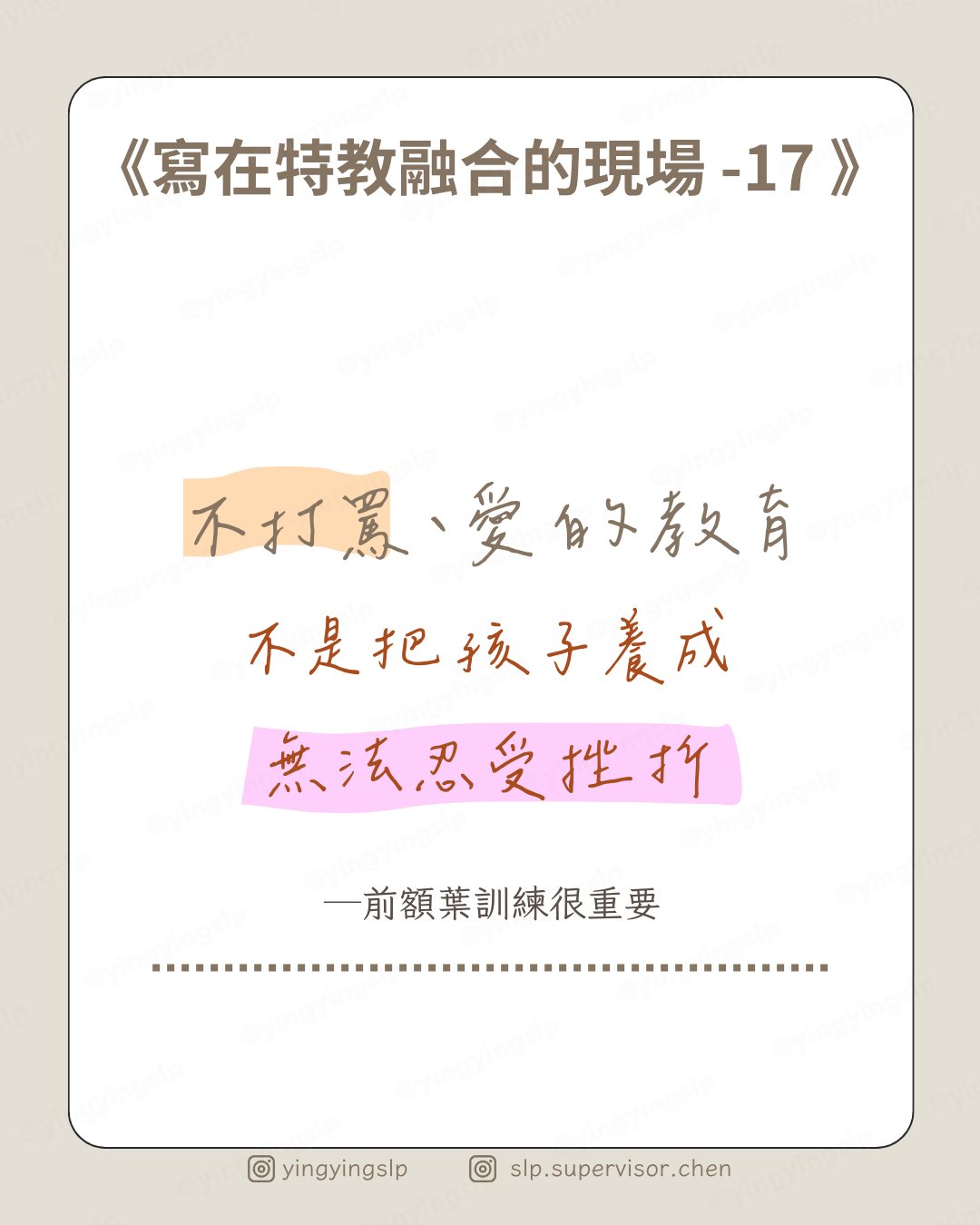
Gentle parenting shouldn’t mean a child who can’t handle frustration (in Chinese)

A child who cries and throws things at the slightest correction — gentle parenting is good, but children also need to learn consequences and self-control, starting with chores and sports.
9 illustrated cards
Notes from inclusive classrooms

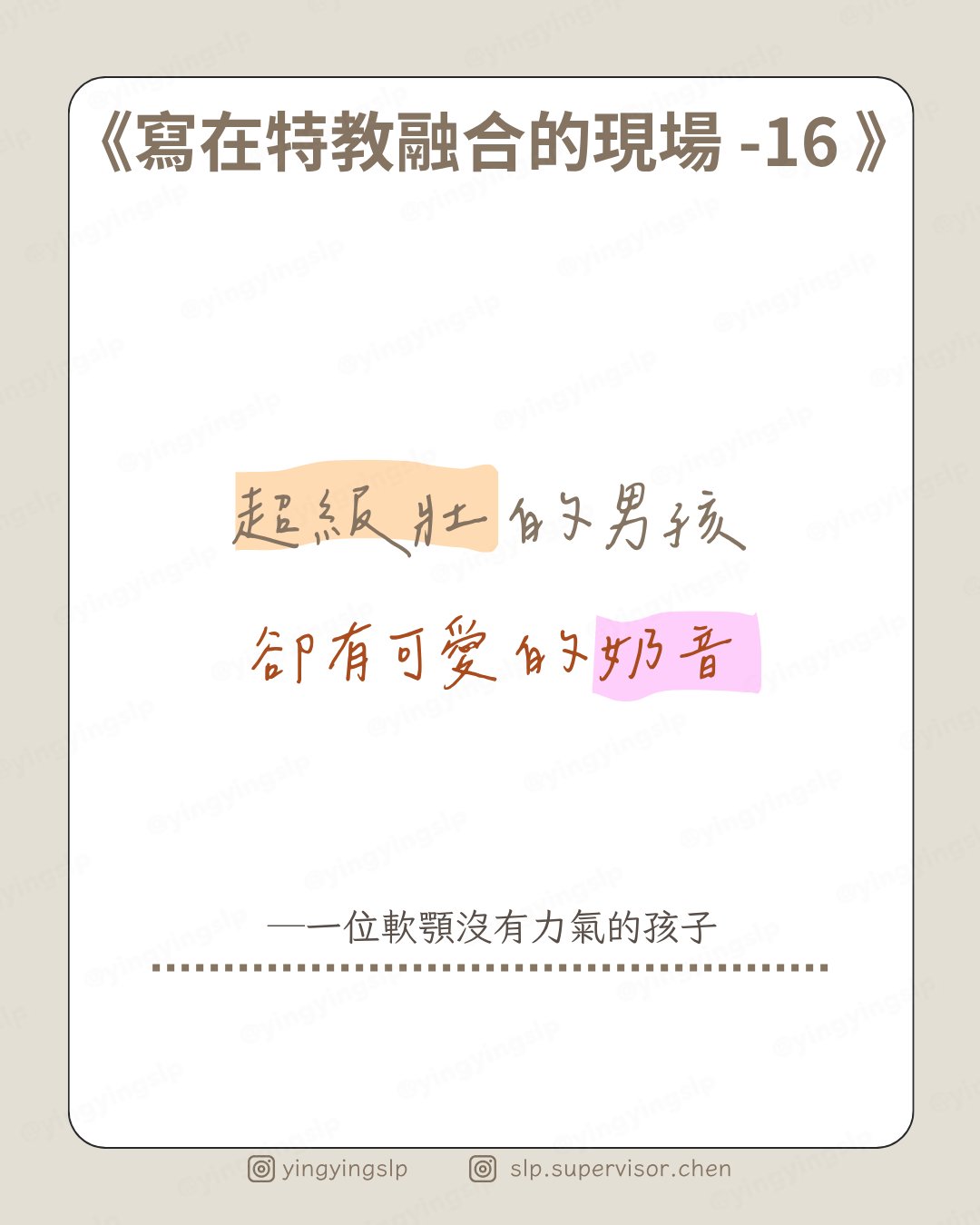
A big, strong boy with a tiny baby voice (in Chinese)

The tallest boy in class speaks with a soft, nasal baby voice — a weak soft palate, plus repeated ear infections no one followed up on.
9 illustrated cards
For parents · Eating

Lips that are just for decoration — soup spills everywhere (in Chinese)

A kindergartner who pours soup in instead of using the lips — one change in how the spoon is placed, and after three tries the child starts to sip.
10 illustrated cards
For parents · Eating

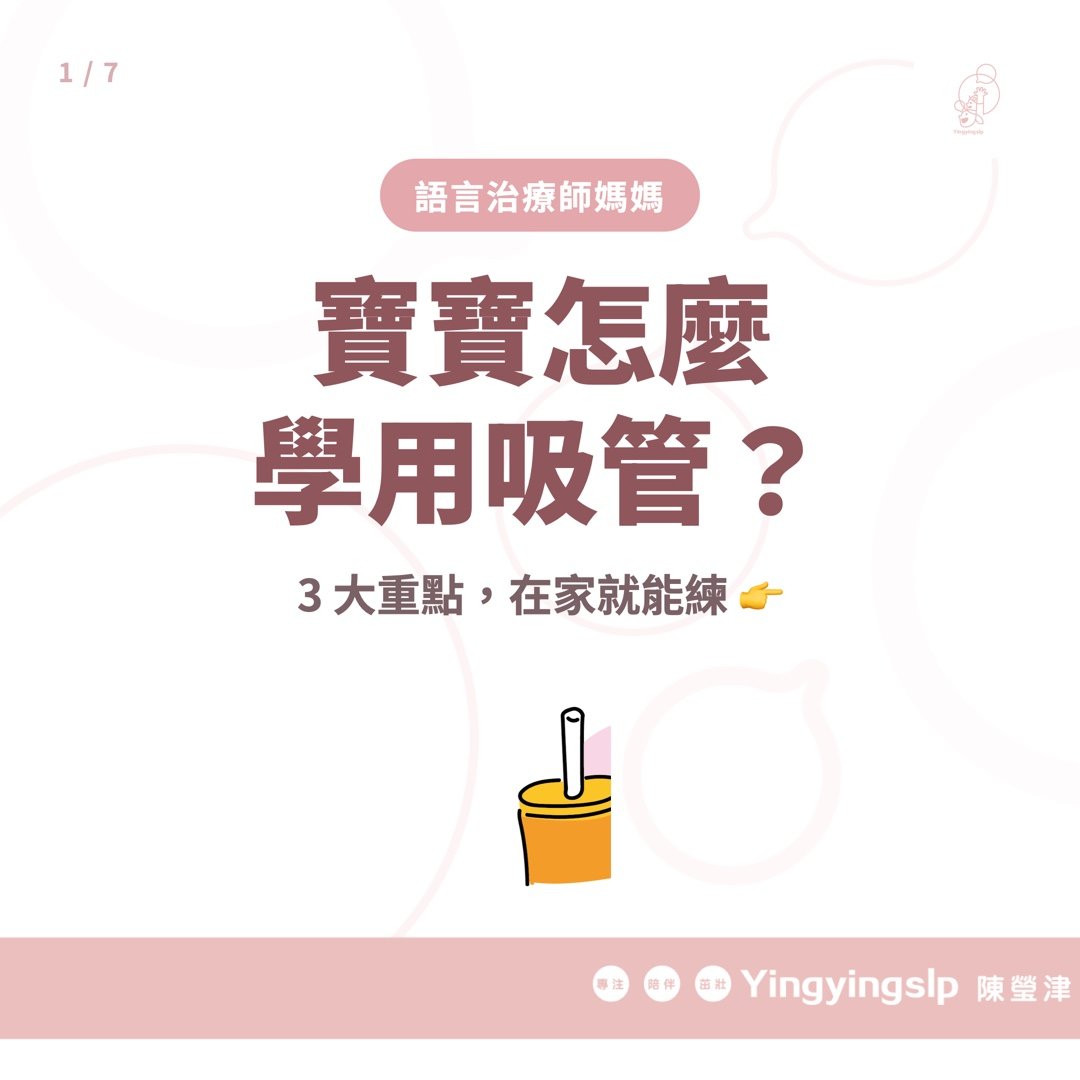
How babies learn to use a straw — 3 key points (in Chinese)

Safe posture first, a squeezable cup to get started, and closing the lips around the straw — 3 things to practice at home.
7 illustrated cards
For parents · Eating

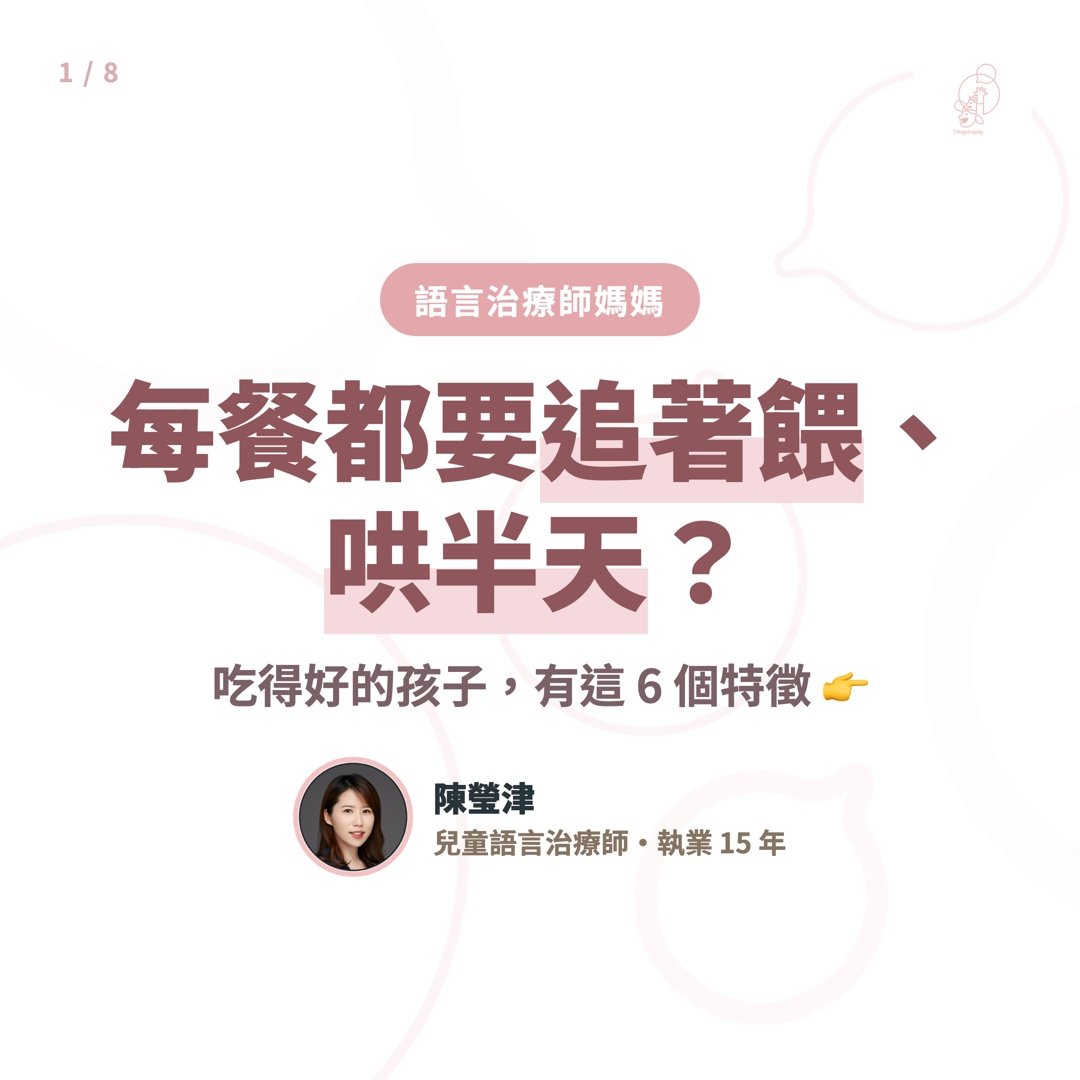
Chasing your child at every meal? 6 signs of a child who eats well (in Chinese)

A healthy attitude toward food matters more than what is on the plate.
8 illustrated cards
For therapists · Joint attention

Joint attention: autistic children vs. typical development (in Chinese)

How does joint attention differ between autistic and typically developing children? 9 side-by-side cards.
9 illustrated cards
For therapists · Supervisor's notes

Why do children miss sessions? Research found 4 factors (in Chinese)

What research says about attendance — it may not be your fault.
10 illustrated cards
For therapists · Supervisor's notes

Parents trust you, but don't practice at home? (in Chinese)

What research says about home practice: it comes down to two things.

8 illustrated cards
More posts

Coming soon

New posts will be added here one by one.